
Learn
Buying & the channel
How industrial and data-center hardware is actually bought — the condition vocabulary, the sales channel, and what a listing does and does not tell you.
How data-center GPUs are sold
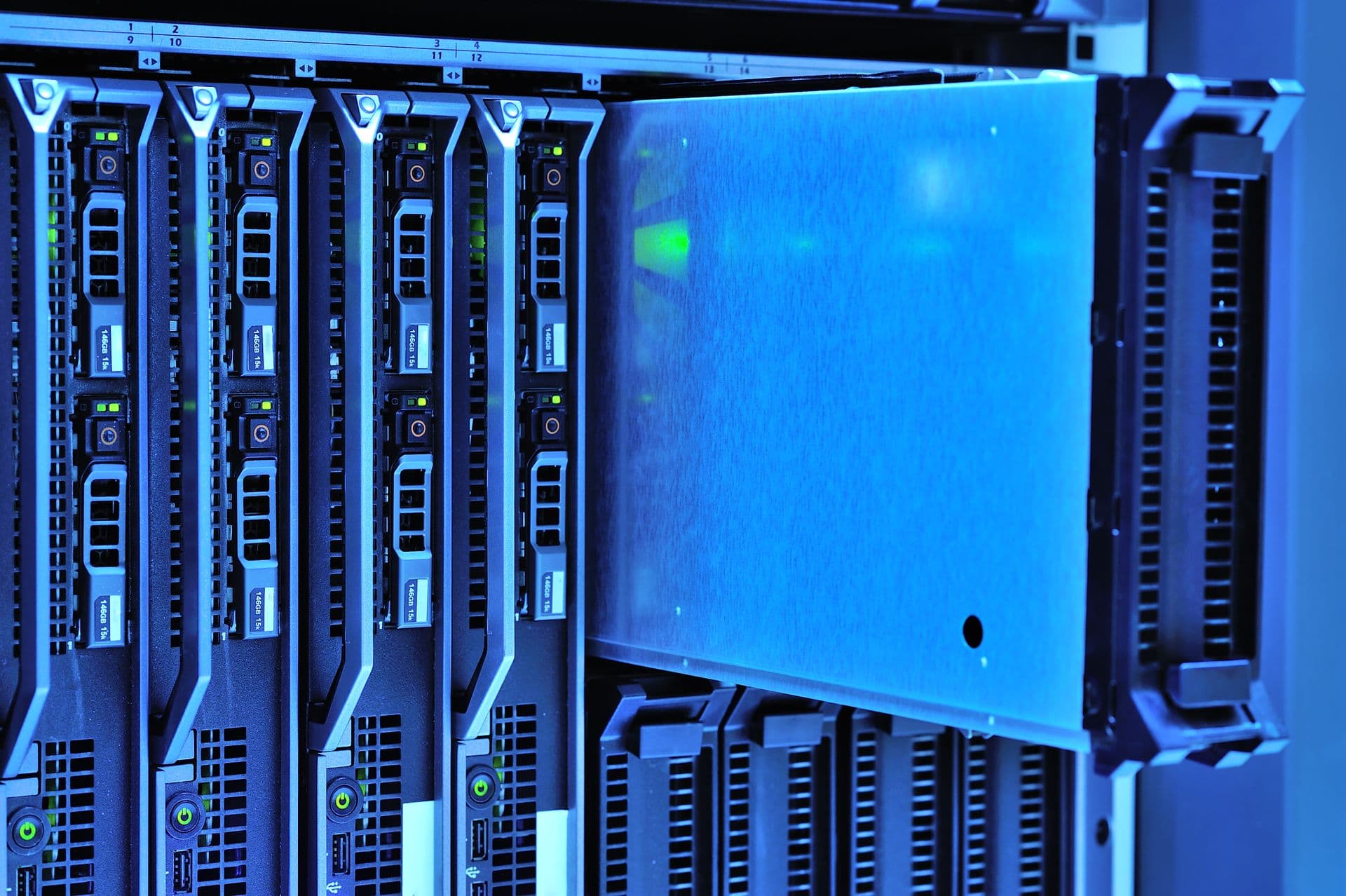
Data-center GPUs reach buyers through four routes: OEM direct, two-tier distribution (a broadline distributor selling to a reseller who sells to you), a solution provider or systems integrator, and the secondary market. The structural point most buying guides miss is that the channel is organized by function, not by brand — a single broadline distributor carries NVIDIA alongside the major server OEMs rather than being tied to one brand, and the OEM partner programs layered on top govern margin, deal registration and allocation rather than acting as separate places to buy.
Read →New surplus vs refurbished vs used
New surplus is equipment that was built but never put into service — zero operating hours, factory condition, sold outside the original order because a project was cancelled, respecified, or over-ordered. Used equipment has run. Refurbished equipment has run and then been worked on. The gap that matters to a buyer is not cosmetic: it is warranty status, documented runtime hours, and who held title before you.
Read →
What is GPU allocation?
GPU allocation is the practice of distributing scarce accelerators against committed forward supply instead of selling them on demand. When a generation is spoken for before it is built, the buying question stops being "what does it cost" and becomes "who gets a slot". Priority follows volume history, partner tier, forecast commitments, and strategic importance — which is why a quoted lead time is mostly a position in a queue rather than a manufacturing time.
Read →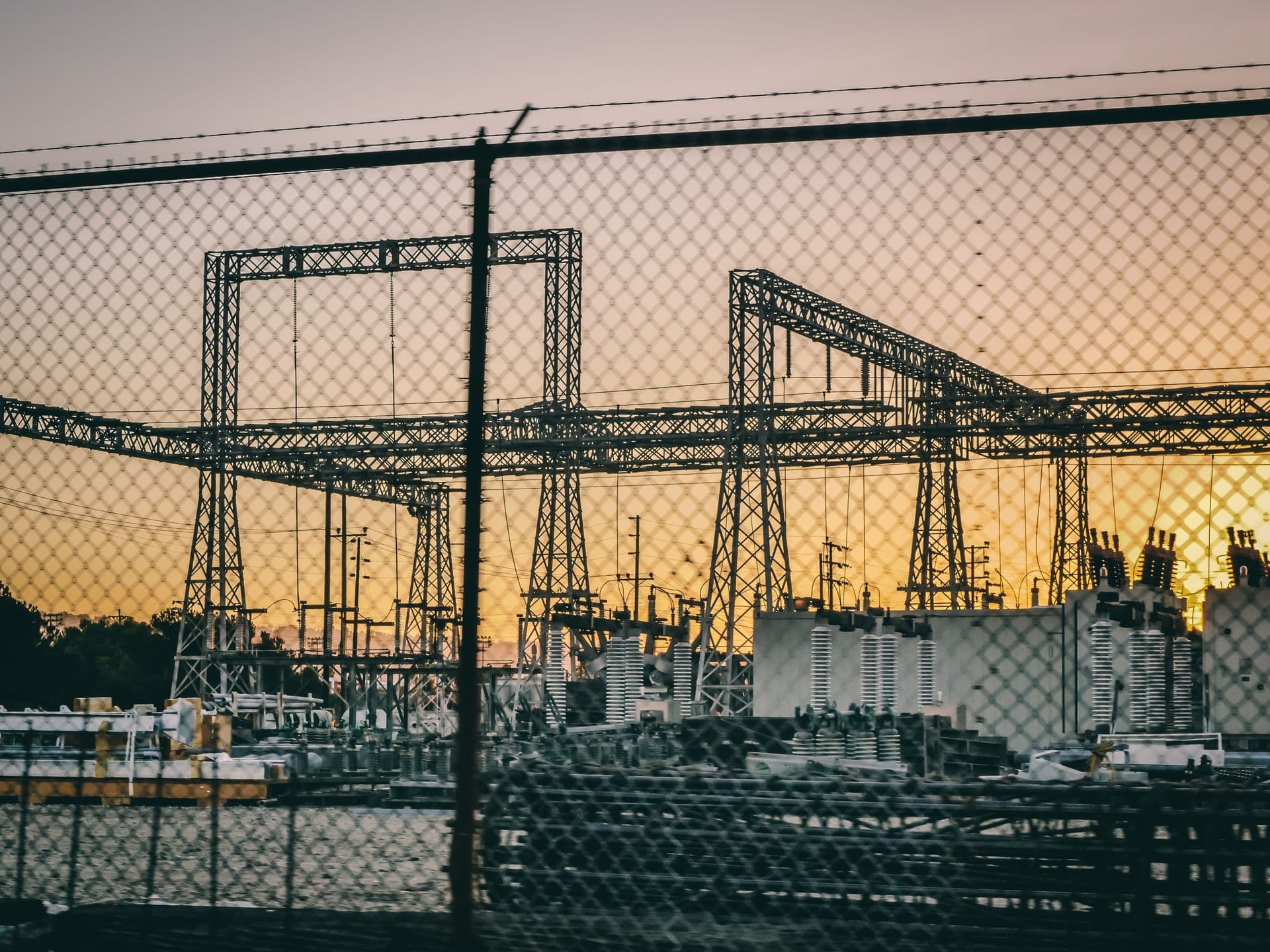
How gas turbines and gensets are sold: the buying channels
There is no self-serve door for a large gas turbine. A new machine is a direct capital sale from one of a handful of manufacturers, negotiated against a production slot booked years out; packagers and authorized service providers sit alongside that; the parts, repair and long-term-service aftermarket runs for decades after the sale; and existing units move through an intermediated used and surplus channel. Reciprocating gensets are the exception — series-built catalog products sold through authorized dealer and distributor networks. This page maps the channels from the buyer's side.
Read →