
Pantheon Research
Research
Research on the infrastructure behind AI: power, gas turbines, cooling, geothermal, and the procurement bottlenecks that decide who actually ships compute. No hype, no vendor pitch — just how the buildout gets built. Sizing a site? Browse the hardware.
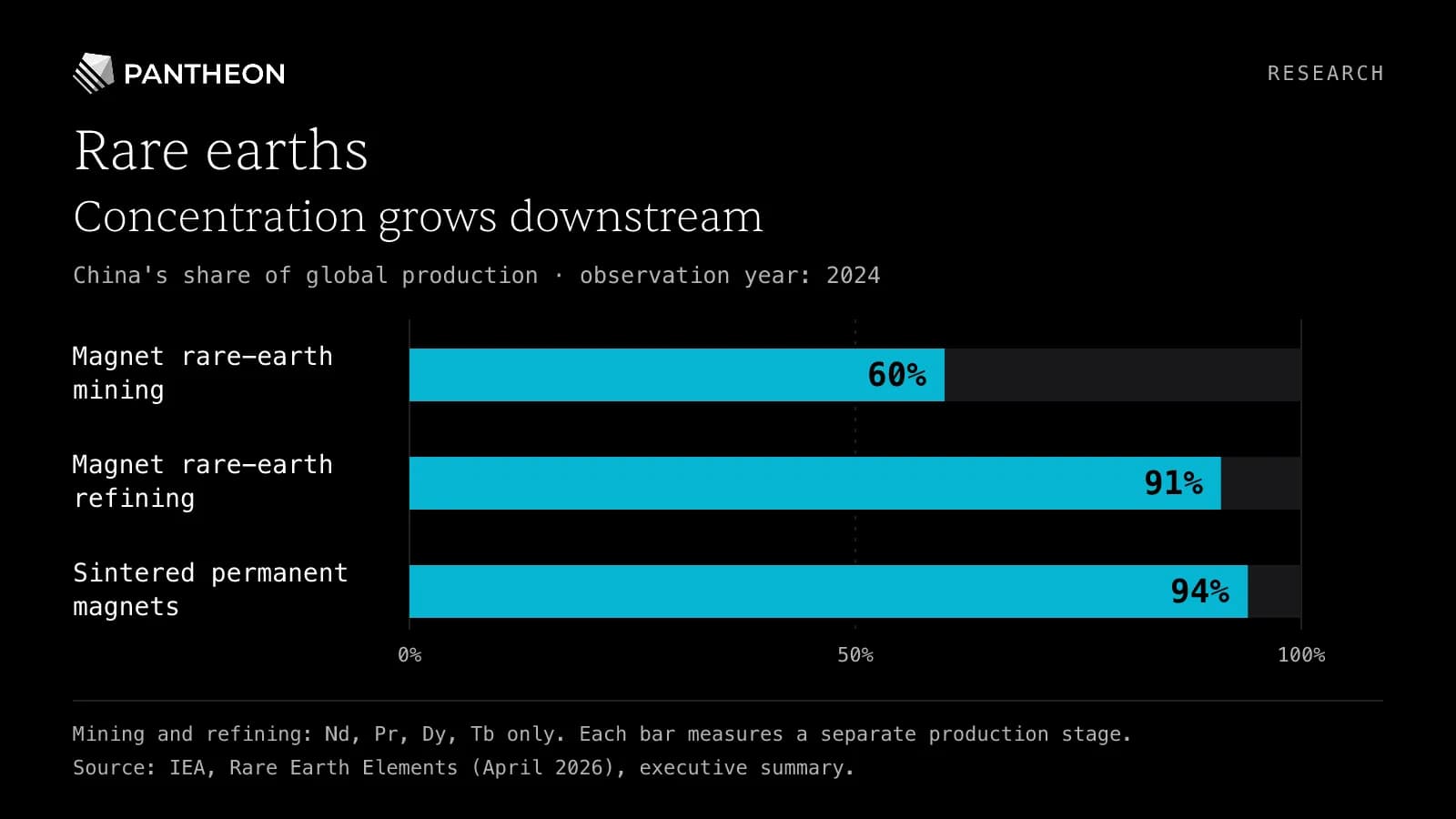
Rare Earths: The Bottleneck Between the Deposit and the Motor
Dysprosium and terbium constrain high-performance magnets; neodymium and praseodymium supply their core material. A source-backed look at the geology, five projects outside China, and the processing and manufacturing capabilities that turn mineral endowment into usable supply.
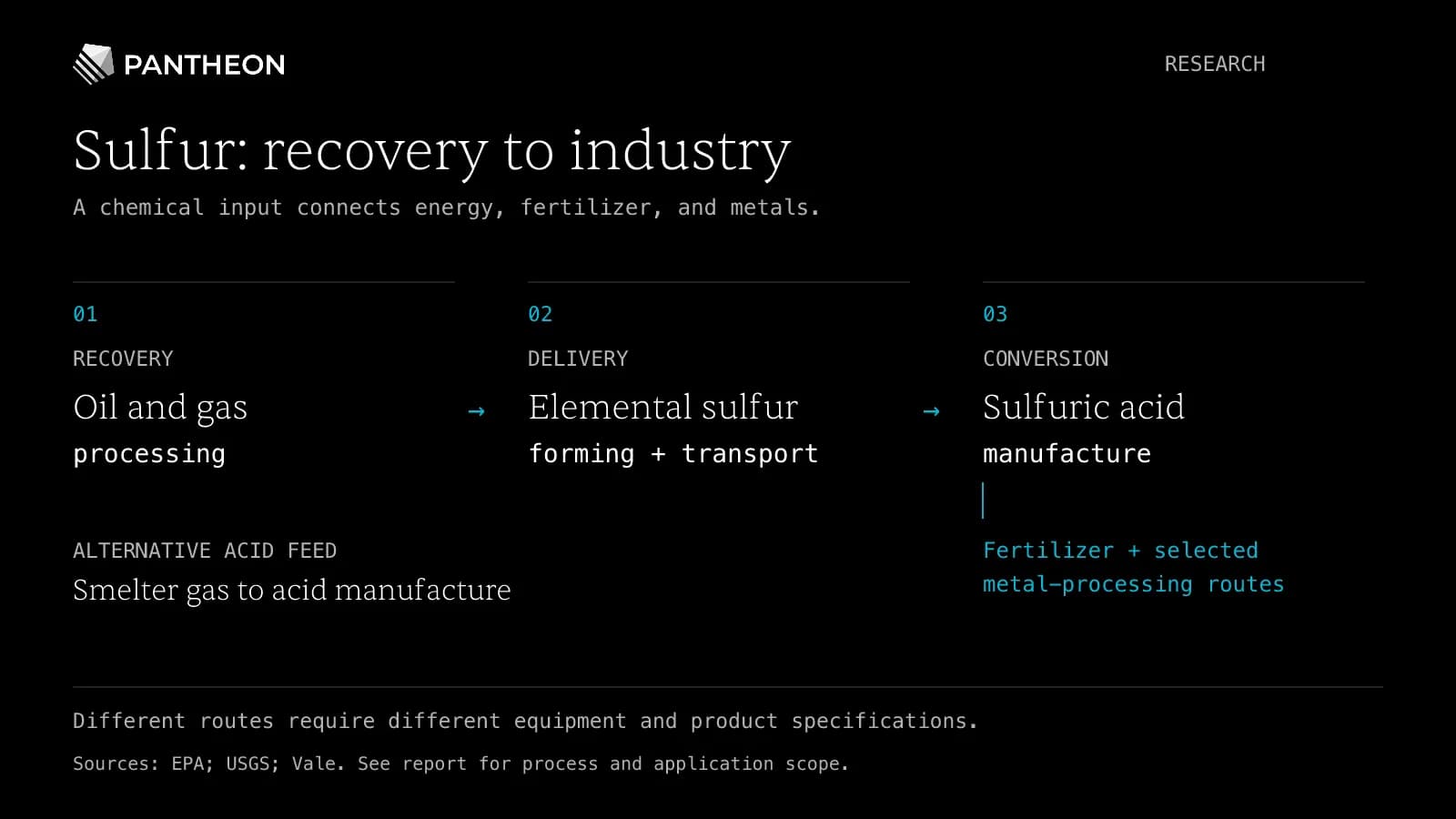
Sulfur: The Bottleneck Between Recovery and Industry
Fertilizer anchors sulfur demand; metal processing adds another dependency. A source-backed look at production, five supply-chain cases, countries of strategic interest, and the difference between recovered sulfur and acid a plant can actually use.
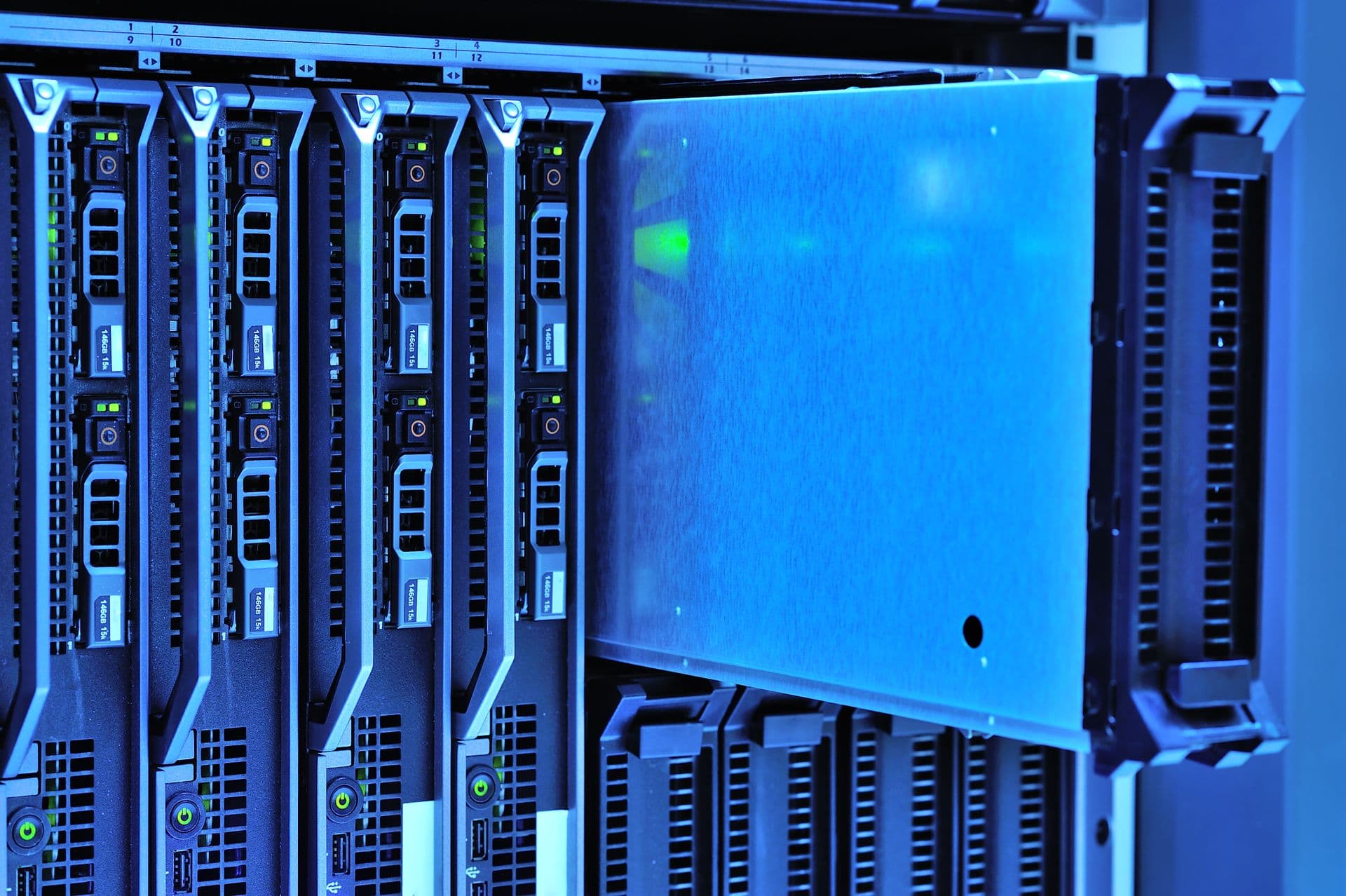
Industrial AI Software Runs Next to the Iron: The One AI Layer You Can't Build Remotely
Most AI software is written wherever the engineers happen to live. Industrial AI — the grid optimizers, the predictive-maintenance models, the digital twins — is the exception, and operators keep learning it the hard way. It's only as good as its proximity to real physical assets, the telemetry those assets exhaust, and a real industrial customer next door. From the desk where we source the iron, this is the software layer we watch bolt itself to the hardware — and it's the reason the fourth vertical in this series has the same address as the first three.
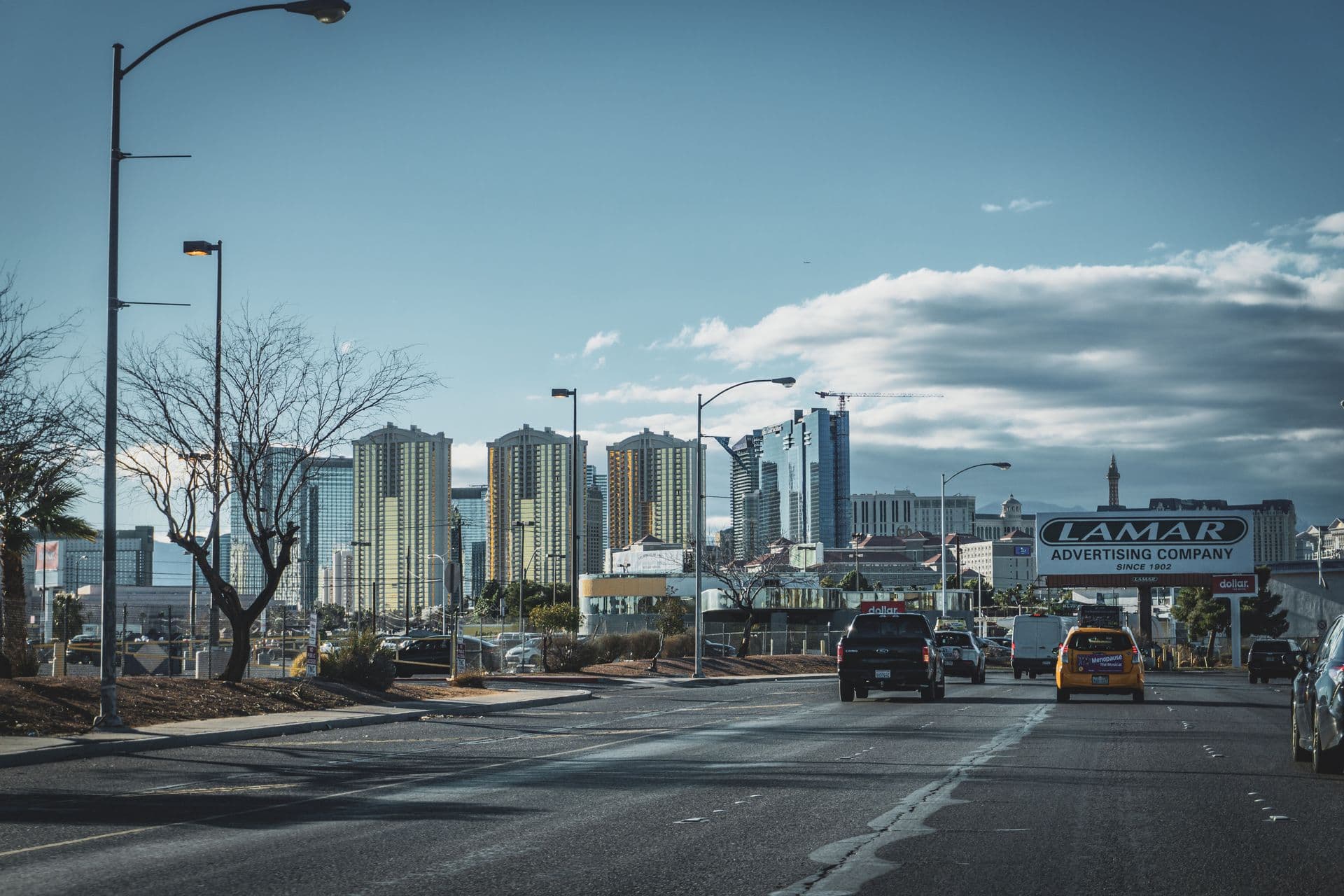
The Convergence Is Geographic: Why AI's Whole Stack Is Landing in Northern Nevada
Everyone talks about the convergence of energy, AI, and hardware as if it were a trend line on a slide. We watch it as a zip code. The same three inputs — cheap firm power, coolable compute, and room to build and test physical things — are structurally cheap and fast in exactly one place, and the deal flow has started to rhyme. A field note on why the whole stack is pooling in the same hundred-mile radius.

Robots Run on the Same Stack: Embodied AI Is a Power-and-Compute Story
The humanoid headlines are all about the machine — the hands, the gait, the demo. From where we sit, the machine is the least interesting part. A robot fleet is a distributed data center that happens to move: it learns on the same GPUs, runs on the same electrons, and needs a physical place to fail safely. Which is why embodied AI is quietly an infrastructure decision — and why it keeps pointing at the same desert as everything else.

Which NVIDIA GPU Should You Buy in 2026? H100 to GB300 NVL72
A field note from the deal flow: how to pick the right NVIDIA accelerator in 2026, from Hopper H100 and H200 up through Blackwell B200, Blackwell Ultra B300, and the GB300 NVL72 rack. No spec-sheet worship and no price theater — just how we actually help operators choose by workload, memory footprint, availability, and what their facility can cool.
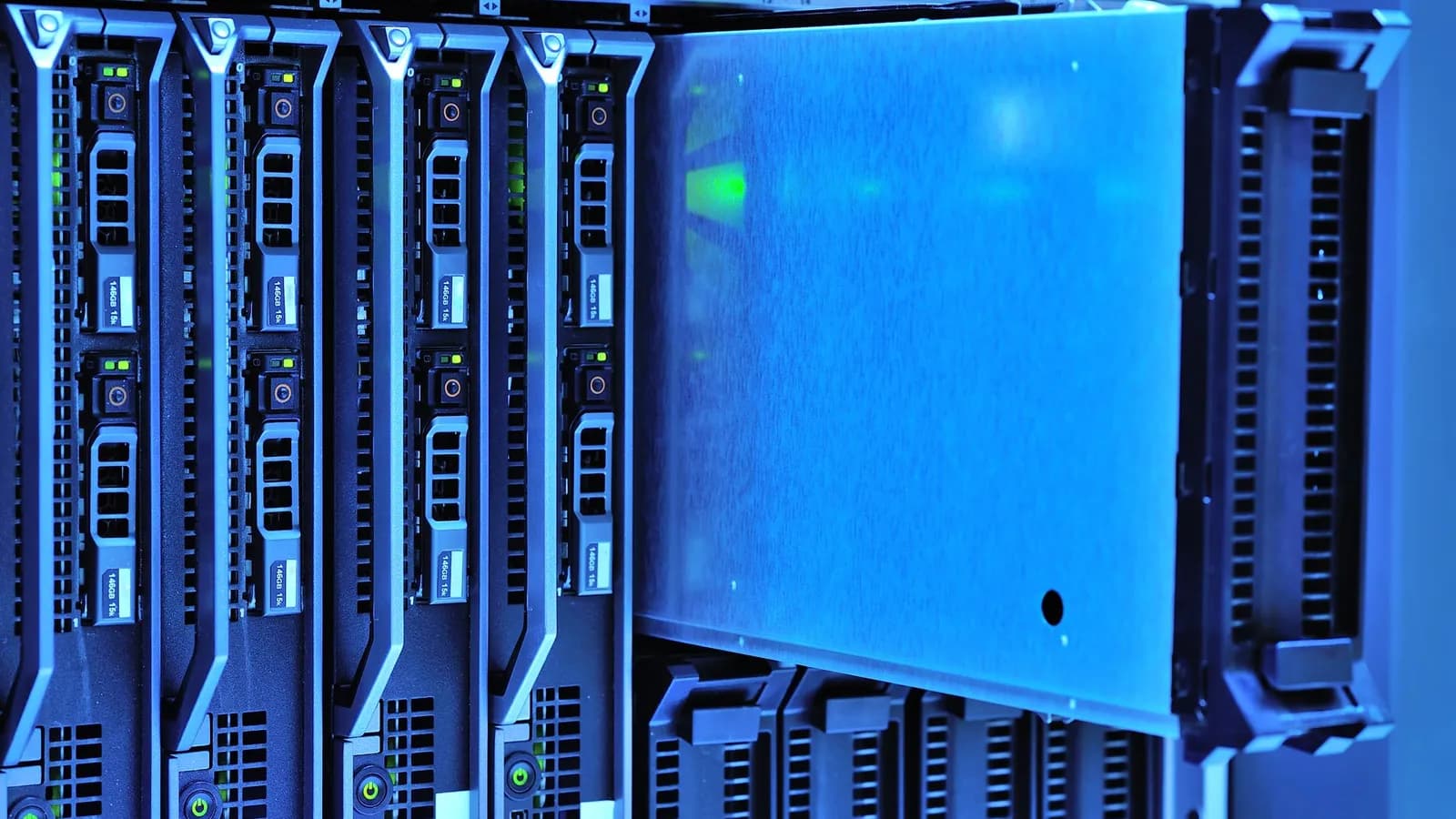
Time-to-Energized: The Real AI Bottleneck Nobody Quotes
The AI-infrastructure constraint isn't chips, and it isn't even megawatts in the abstract — it's the wait. The grid can't hear you for half a decade, and even if it could, you can't buy a turbine until 2029. That math forces the whole industry toward behind-the-meter generation, which is why the power post and the compute post in this series are two halves of one decision. The capstone field note from the deal flow.
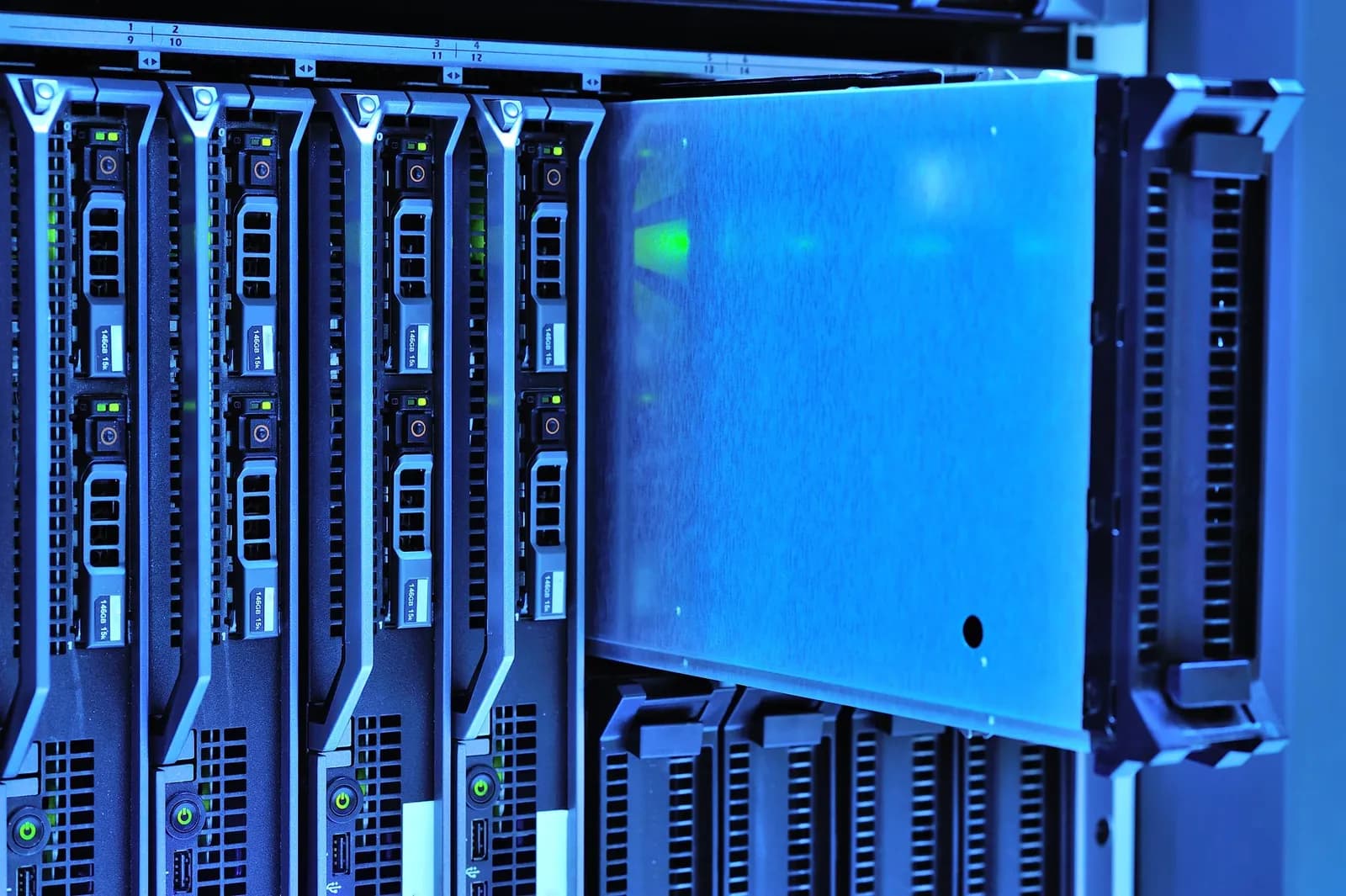
Bring Your Own Power: The Great Basin's 10-Megawatt Window
Everyone's writing about gigawatt gas plants and nuclear-powered data cities. We're watching something quieter and, for most operators, more useful: in Nevada's Great Basin you can put 10–20 MW of self-sustained geothermal under a data center, bypass the utility entirely, and do it on ten acres. A field note from the deal flow.
The H100 Cliff That Isn't: What the GPU Resale Market Is Actually Telling Buyers
The 'GPU glut' headlines have it backwards. What looks like oversupply in the H100 resale market is a generational rotation to Blackwell, not collapsing demand. We source both new GB300 racks and used H100s, and the price signals are clearer than the panic suggests: buy used for inference if you don't overpay, buy new for frontier training, and ignore the depreciation doom as a fleet-wide claim. A field note from the deal flow.