
Learn
Research — data-center power
How AI data centers actually get powered: behind-the-meter generation, gas turbines, and geothermal.
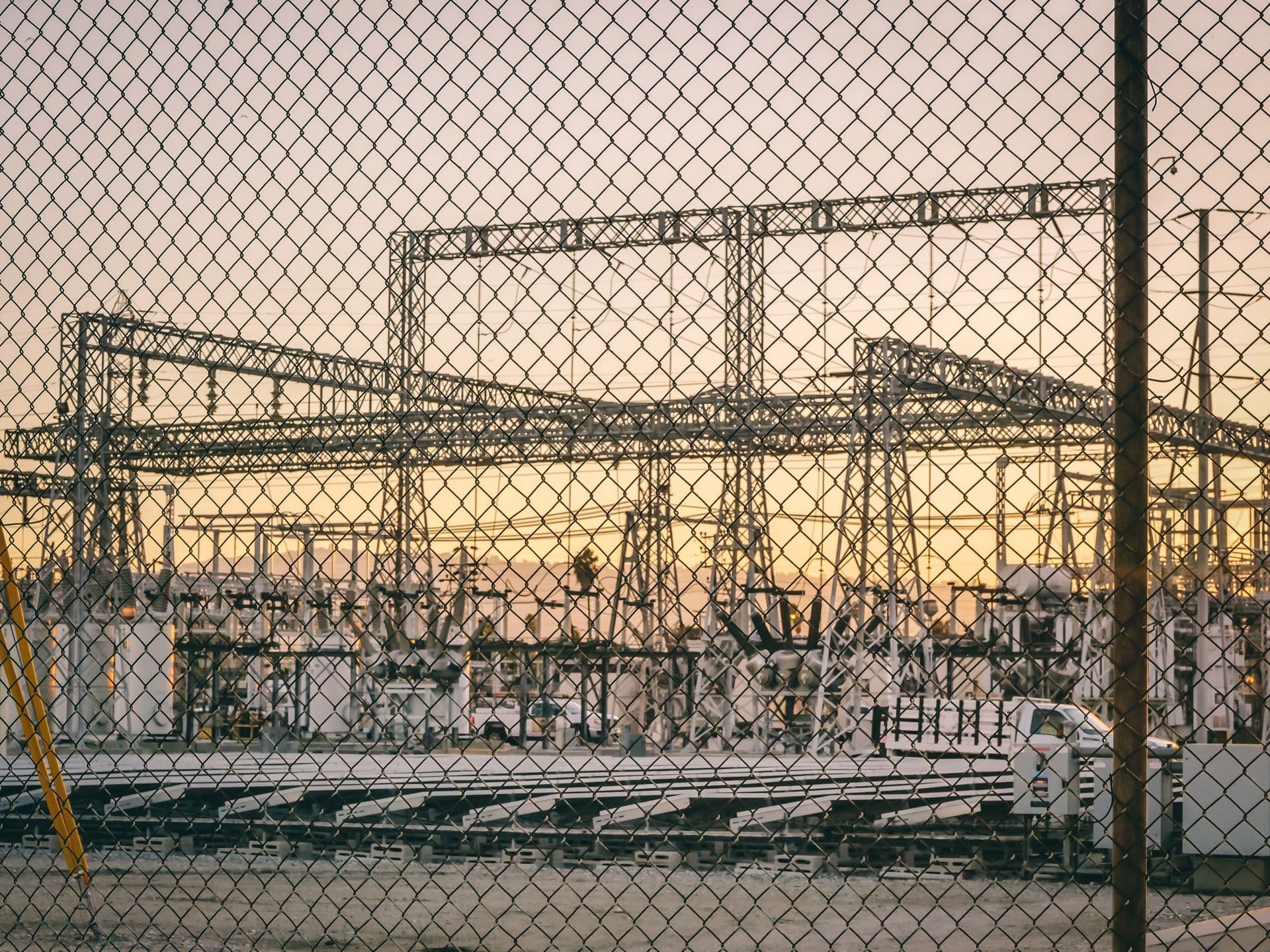
What is behind-the-meter power?
Behind-the-meter (BTM) power is electricity generated and consumed on-site — on the customer side of the utility meter — rather than drawn from the grid. For large loads like AI data centers facing multi-year grid interconnection waits, BTM generation is increasingly the primary way to energize a site instead of a backup.
Read →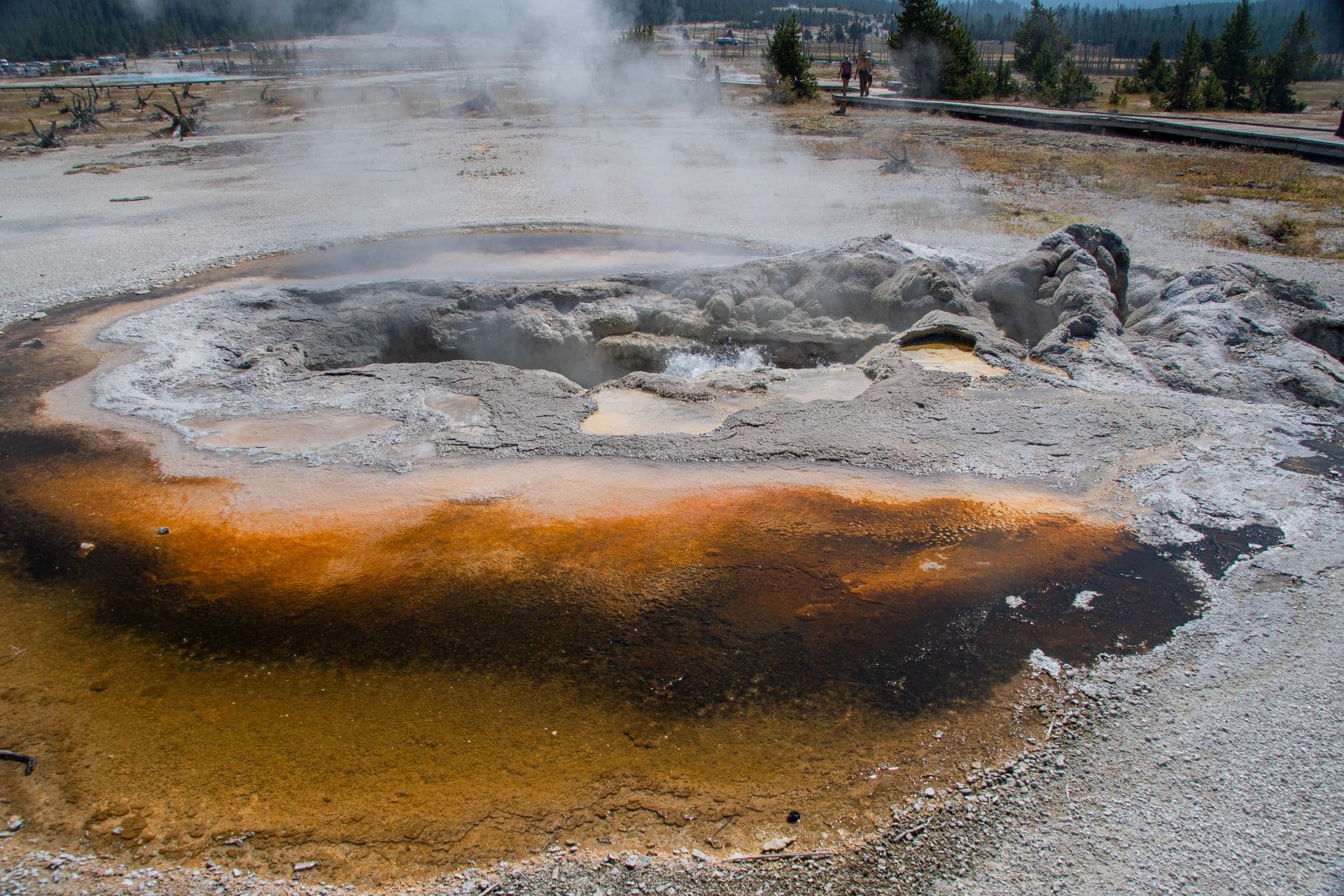
What is Enhanced Geothermal (EGS)?
Enhanced Geothermal Systems (EGS) generate power from hot dry rock by engineering permeability — drilling deep, creating fractures, and circulating fluid to carry heat to the surface. Unlike conventional geothermal, which needs a natural reservoir of hot water, EGS can work in far more locations, and at scale can reach hundreds of megawatts of clean, firm power.
Read →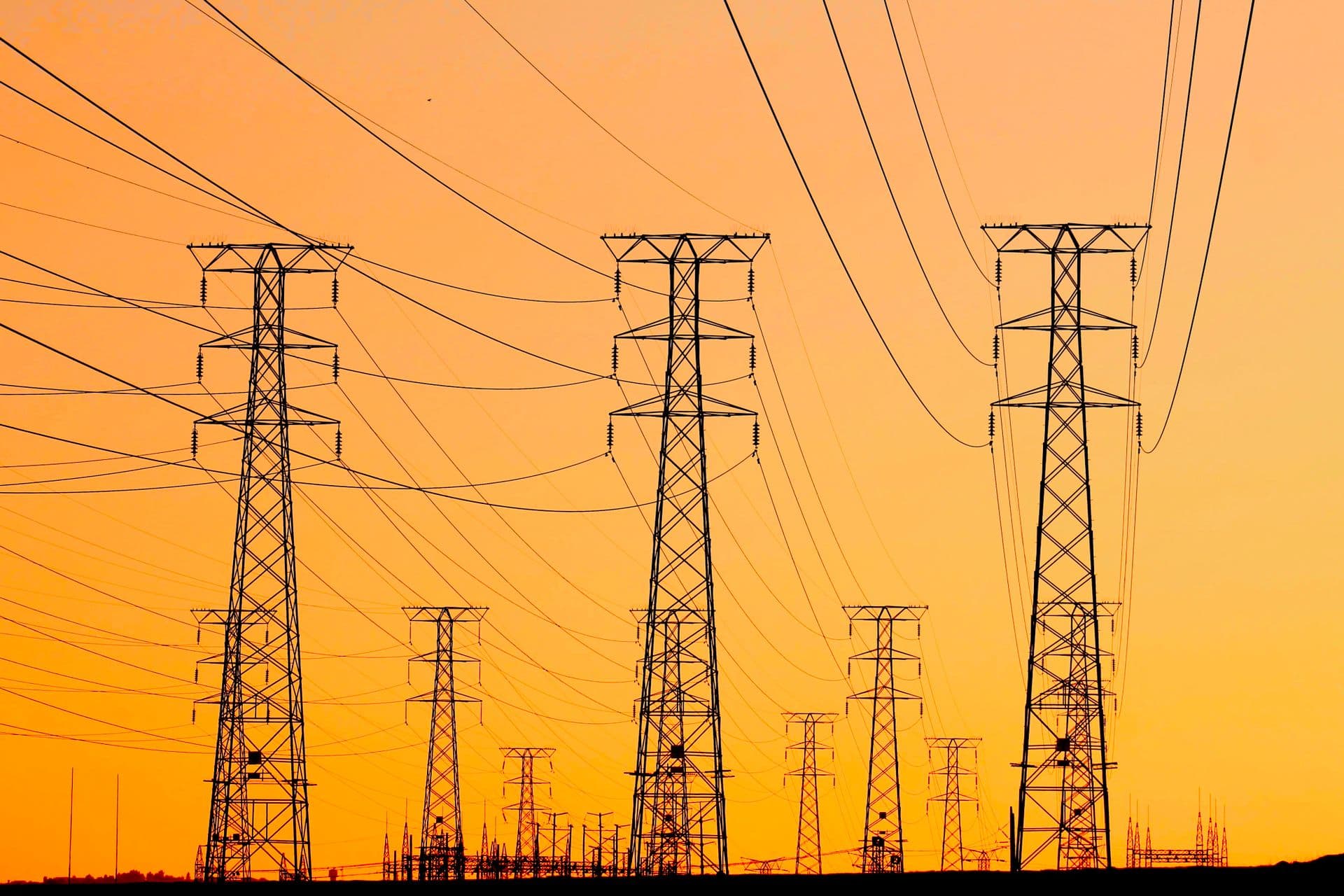
What is an interconnection queue?
An interconnection queue is the formal waiting line of projects — power plants, storage, and increasingly large loads like data centers — seeking grid interconnection, the studied permission to connect to the electric grid. Every request must be modeled for its impact on the system before approval, and the backlog has grown so large that the median project now waits about four to five years.
Read →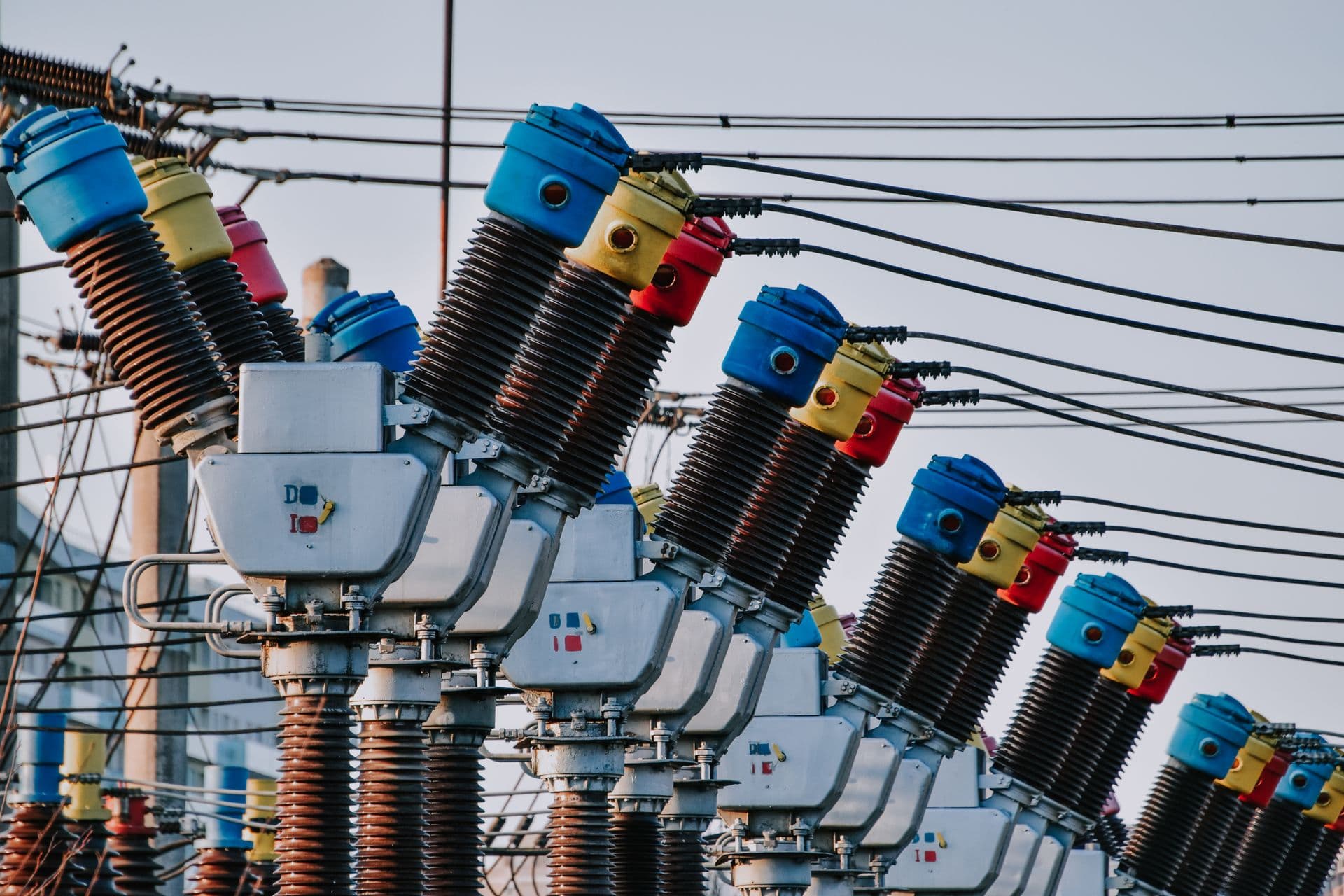
Interconnection queue position: how the line is ordered
Your interconnection queue position is your ordered place in the line of projects waiting to connect to the electric grid, assigned when you file an interconnection request. It matters because it influences how much of the grid-upgrade cost you carry and how soon your studies run — but even a good position typically still means a multi-year wait, which is why large loads increasingly bypass the queue with on-site generation.
Read →
Why are gas turbines sold out?
Gas turbines are effectively sold out because data-center power demand has outrun a manufacturing base that scaled down for years. Heavy-frame turbine slots are booked toward the end of the decade, lead times have stretched to several years, and buyers now reserve capacity far in advance — which is why fast-start aeroderivative units have become the go-to bridge.
Read →What is a unit substation?
A unit substation is a factory-coordinated assembly that takes medium-voltage service in one end and delivers usable distribution voltage out the other. It has three close-coupled sections — a primary (incoming) section, a step-down transformer, and a secondary switchgear or switchboard section. IEEE C37.121 covers three-phase step-down unit substations of 112.5 kVA and larger at primary voltages from 601 V through 52 kV.
Read →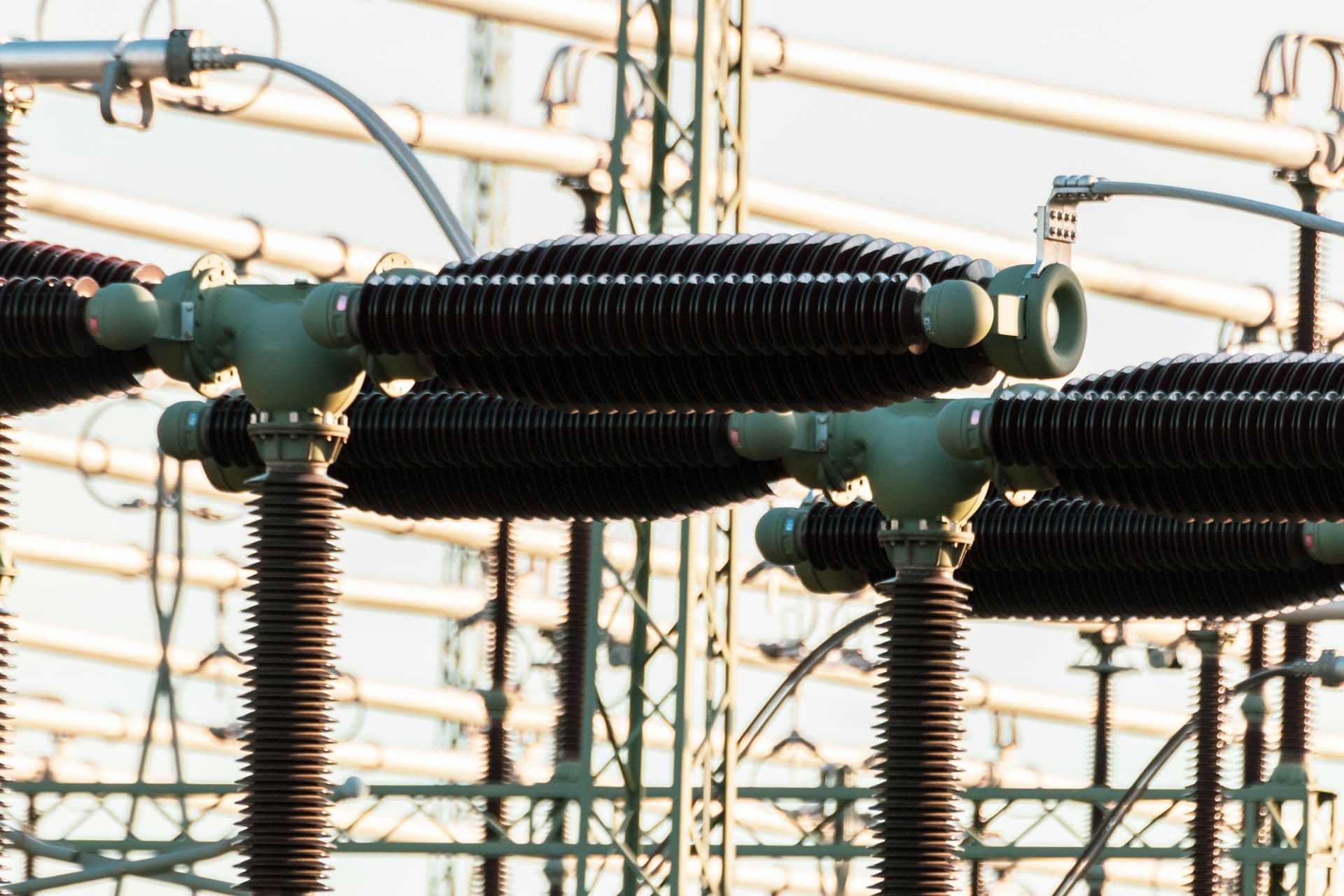
Medium-voltage switchgear explained
Medium-voltage switchgear is the assembly of circuit breakers or switches, bus, instrument transformers, and protective relays that sectionalizes and protects a distribution system above 1000 V. The distinction that matters most is metal-clad (IEEE C37.20.2 — draw-out breakers, compartmentalized, interlocked) versus metal-enclosed (IEEE C37.20.3 — fused switches, far fewer structural requirements). All metal-clad gear is metal-enclosed; the reverse is not true, and a loosely written spec gets you the cheaper one.
Read →4.16 kV, 13.8 kV, and 34.5 kV Switchgear: Which Voltage Class You Need
Switchgear is rated by a maximum voltage class, not by the nominal system voltage a buyer searches for. A 4.16 kV or 13.8 kV system both take 15 kV class gear; a 34.5 kV system takes 38 kV class. The preferred classes in IEEE C37.06 are 4.76, 8.25, 15, 27, and 38 kV, each with its own basic impulse level (BIL). Asking for "13.8 kV switchgear" is ambiguous; asking for "15 kV class, 95 kV BIL" is not.
Read →Metal-Clad vs Metal-Enclosed Switchgear
Metal-clad and metal-enclosed are two different IEEE standards, not two words for the same thing. Metal-clad switchgear (IEEE C37.20.2) has a defined structural recipe — draw-out breakers, grounded metal barriers between compartments, automatic shutters, insulated bus, and mechanical interlocks. Metal-enclosed interrupter switchgear (IEEE C37.20.3) is a performance standard that only requires a switch to safely interrupt load current inside a grounded enclosure. Every metal-clad line-up is metal-enclosed; most metal-enclosed line-ups are not metal-clad — and a loosely written spec gets you the cheaper one.
Read →Arc-Resistant Switchgear: IEEE C37.20.7 Types and Suffixes
Arc-resistant switchgear per IEEE C37.20.7 is tested to contain and redirect the energy of an internal arcing fault — typically for a full 0.5 second (30 cycles) — venting pressure, molten metal, and plasma upward through a plenum instead of out the front of the cubicle. The standard defines accessibility Type 1 (front only) and Type 2 (all freely accessible sides), plus suffixes B, C, and D for what may be open during the event. Type 2B is the common data-center and industrial specification. It does not reduce incident energy — it redirects it while the equipment is closed and latched.
Read →Gas turbine vs reciprocating engine for data centers
Reciprocating gas engines have the highest simple-cycle electrical efficiency of any combustion technology — around 46–49% — hold that efficiency at part load, and reach full output in a couple of minutes. Gas turbines put far more power in far less space, need far fewer maintenance events, and reach low NOx without aftertreatment. For a data center, the practical rule: recips when the load follows and land is available, aeroderivative turbines when you need hundreds of megawatts fast in a tight footprint, combined cycle only when the site is permanent and you have water and time.
Read →Aeroderivative Gas Turbines: Models, Output & Availability
An aeroderivative gas turbine is a power-generation turbine adapted from a jet (aircraft) engine — lighter, faster to install, and quicker to start than a heavy industrial frame machine, typically in the ~20-70 MW class. That deploy speed makes aeroderivatives the go-to units for on-site and behind-the-meter power, and the fast-start bridge while larger plants or a grid connection are years out. The best-known models are the GE Vernova LM family (LM2500, LM5000, LM6000) and TM2500, alongside the Rolls-Royce Trent 60 and Pratt & Whitney FT4; output and configuration are confirmed at quote.
Read →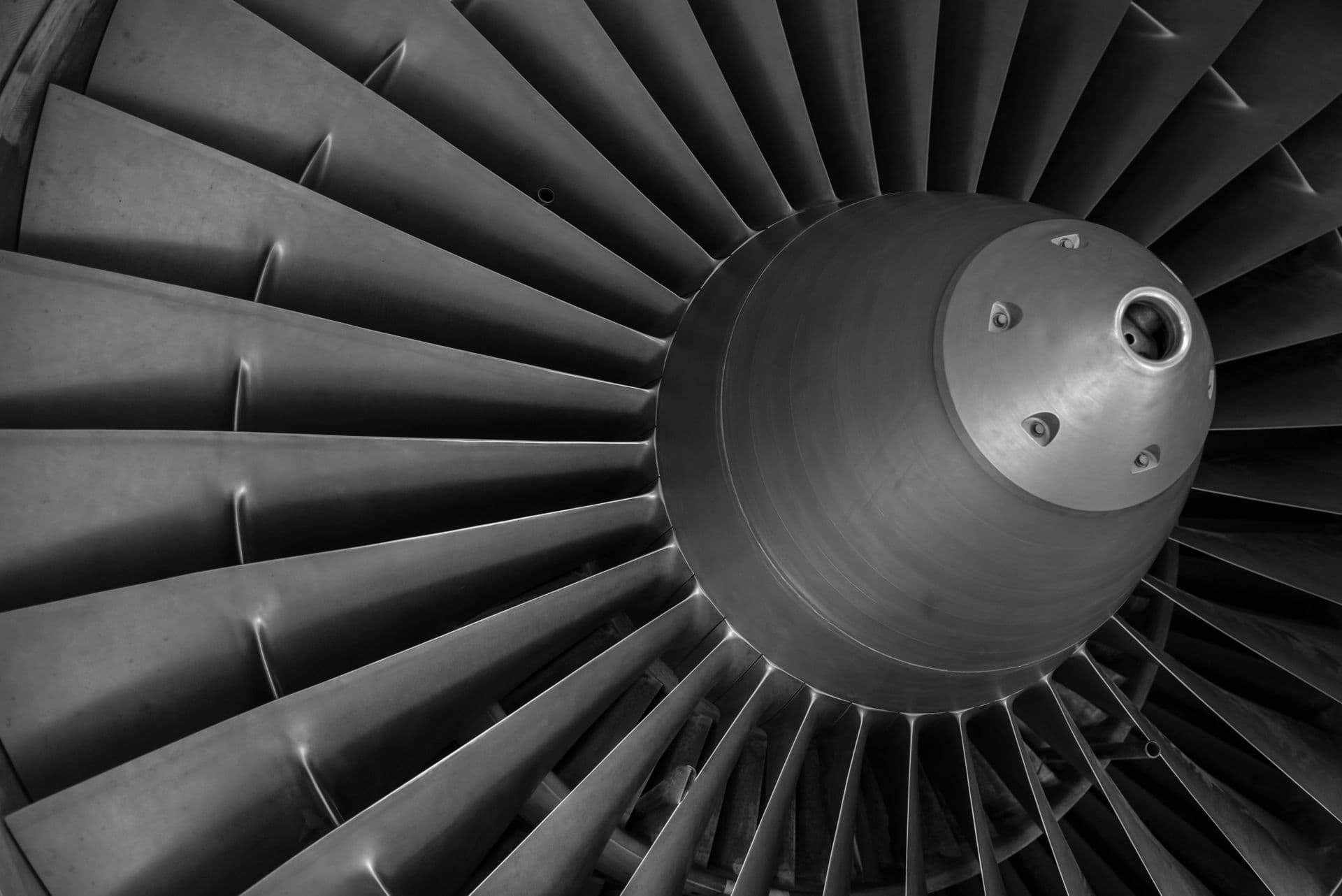
Heavy-Duty & Frame Gas Turbines: Models, Output & Classes
A heavy-duty gas turbine — often called a frame turbine — is a large, single-shaft industrial machine built for continuous utility-scale power, typically from tens to hundreds of megawatts. Unlike a lighter aeroderivative, it is designed for high-efficiency baseload and combined-cycle plants rather than fast starts. The class spans the robust, fuel-flexible E-class (GE Frame 5/6, Siemens SGT5-2000E, Westinghouse 501), the higher-firing F-class (GE 6FA, Siemens SGT5-4000F/SGT6-5000F, Ansaldo AE94.3A), and the advanced HL-class (Siemens SGT5-9000HL). Output and configuration are confirmed at quote.
Read →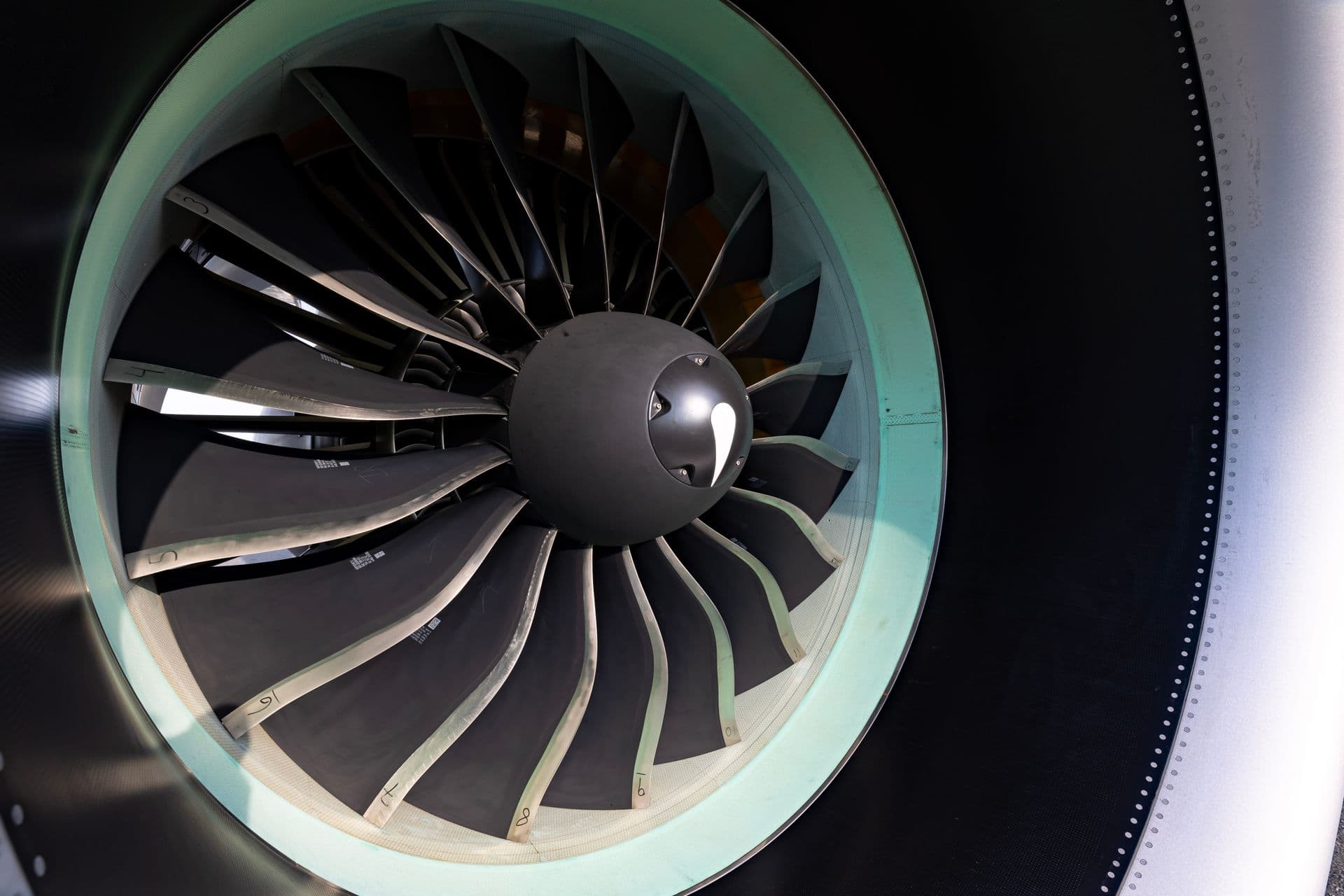
Industrial Gas Turbines: Models, Output & Uses
An industrial gas turbine is a mid-size, single-shaft machine — typically 15 to 62 MW — that sits between the light, fast-start aeroderivatives and the large utility heavy frames. Purpose-built for durability and steady running, the class is the workhorse of combined heat and power (cogeneration), mechanical drive, and mid-scale on-site generation. The best-known line is the Siemens SGT family (SGT-400 through SGT-800), alongside the Solar Titan 130 and Kawasaki L30A; output and configuration are confirmed at quote.
Read →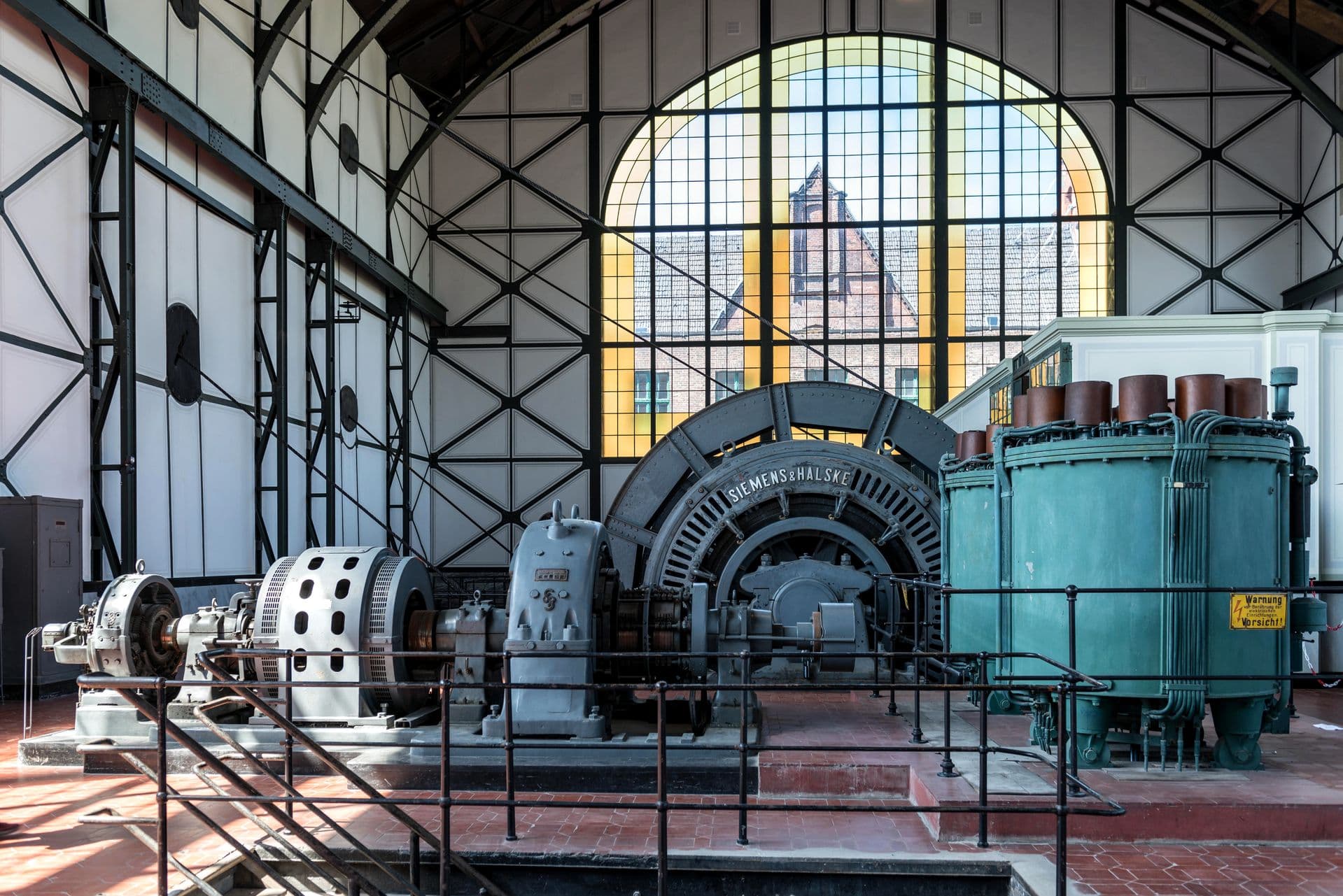
Reciprocating Gas & Diesel Gensets: Models, Output & Ratings
A reciprocating generator set is a piston-engine driving an alternator — the same combustion principle as a vehicle engine, scaled up for power generation, typically around 1 to 3 MW per set. Unlike a gas turbine, it excels at fast-starting standby and load-following duty and at high efficiency across part loads, which is why diesel and natural-gas gensets are the backbone of backup and mission-critical power. The best-known line is the Cummins QSK family, spanning diesel (QSK95/78/60/50, QST30, KTA50) and natural gas (HSK78G); output and rating are confirmed at quote.
Read →How the Used Gas Turbine Market Works
The used gas turbine market is the secondary market for pre-owned power-generation turbines — machines that come out of repowered or retired plants, off cancelled or stranded projects, and out of lease and warranty returns, then get inspected, refurbished, or rebuilt to zero-hour and redeployed elsewhere. Buyers turn to it because a used unit can often be energized far sooner than a new machine, whose order books are booked years out. This page explains how the market works as a process; it states no prices.
Read →What Drives the Value of a Used Gas Turbine
The value of a used gas turbine is set by a stack of drivers rather than a list figure: how old the machine is and how many fired hours it has run, its maintenance and inspection history, its class and technology (aeroderivative vs frame; E, F, or HL frame), its physical condition and how far it has been refurbished, its fuel flexibility and configuration, and — increasingly the decisive factor — how quickly it can actually be delivered and energized in a tight market. This page explains those drivers as mechanics; it states no prices, rates, or figures.
Read →
Decommissioning a Gas Turbine: Retiring a Power Plant
Decommissioning a gas turbine means taking a machine — or a whole power plant — out of service at the end of its role there. Plants retire for repowering, fuel switching, economics, or policy reasons, and a decommissioned turbine is often still a serviceable capital asset. Rather than scrapping it, an owner can inspect, remove, and resell the unit into the secondary market, where it can be refurbished and redeployed to a new site. This page explains the process and the redeployment path; it states no prices.
Read →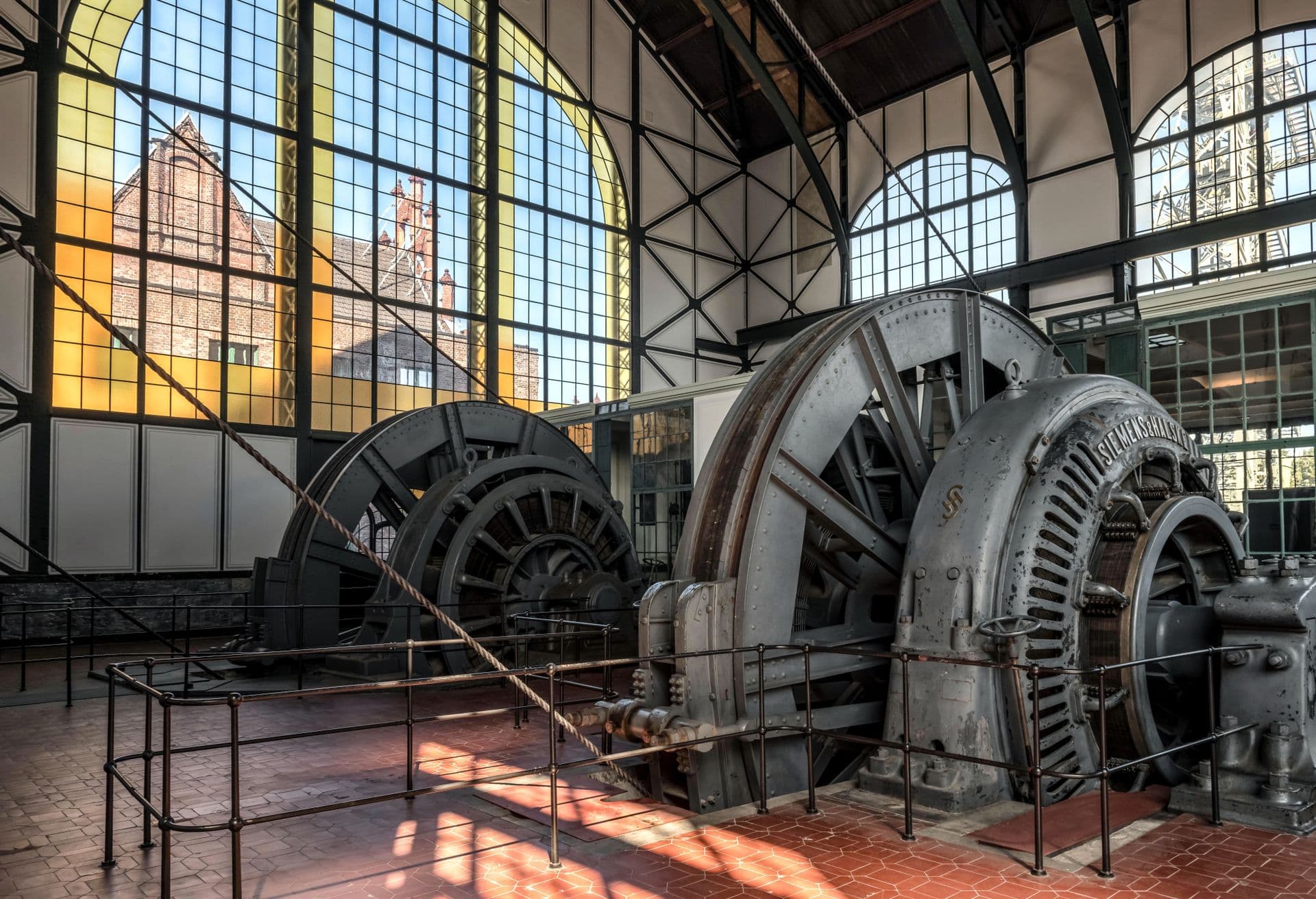
What is a data-center-rated generator set?
A generator set rating is a duty contract, not a size. The same engine and alternator carry several different kW numbers depending on how many hours per year it runs and at what average load. ISO 8528-1 defines four — emergency standby (ESP), limited-time (LTP), prime (PRP), and continuous (COP). "Data Center Continuous" is a manufacturer rating on top of those, not an ISO one, so the first question on any spec sheet is which rating the kW figure belongs to.
Read →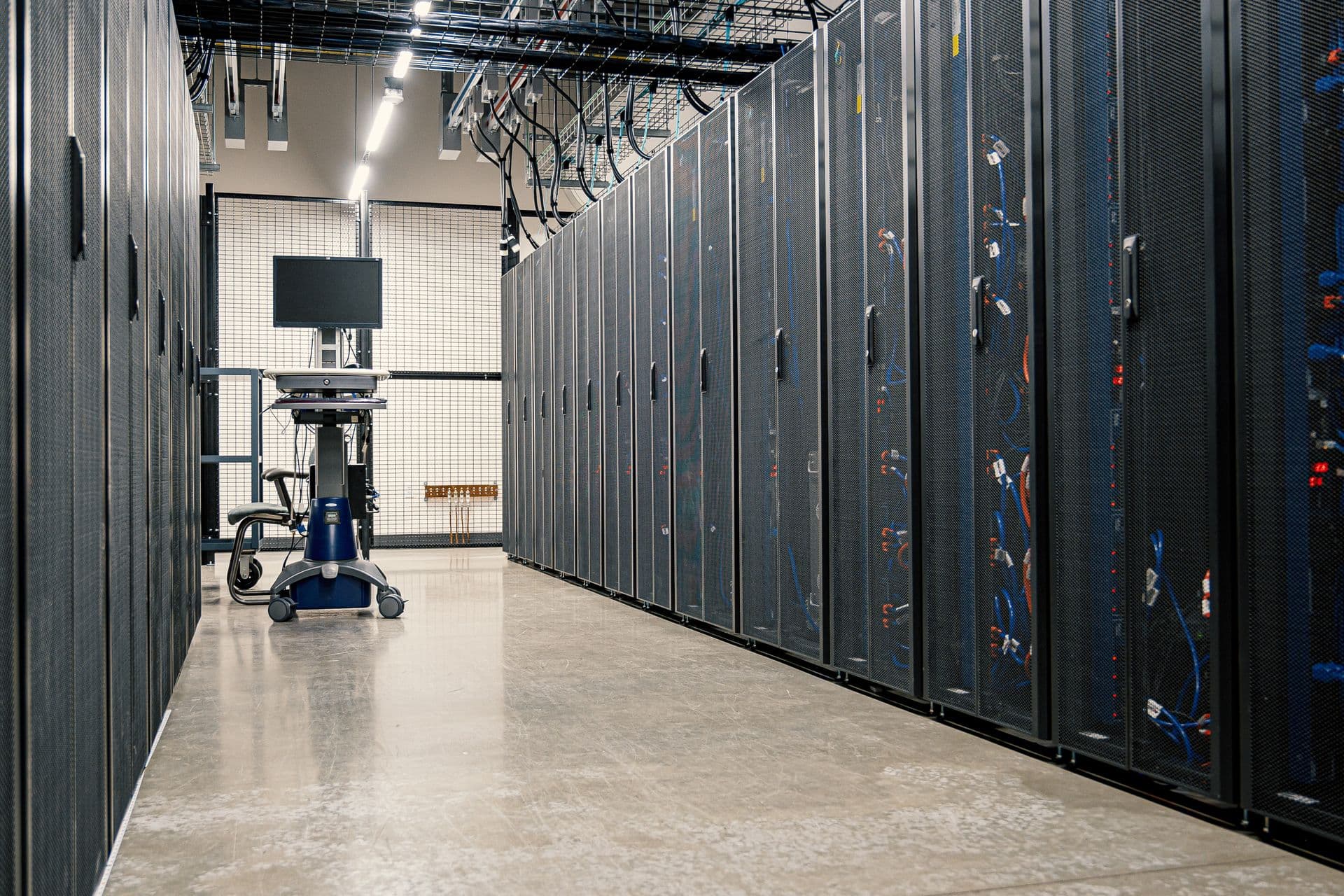
How much power does an AI data center need?
Size from the rack, not the GPU. Multiply racks by kW per rack to get IT load, then multiply by PUE to get total facility load — the number a utility or a generation vendor actually cares about. Conventional racks run 3–10 kW; NVL72-class AI racks run around 120 kW, with reference designs supporting up to 142 kW. At an industry-average PUE of about 1.5, every 100 MW of IT load is a 150 MW ask; a well-run liquid-cooled AI hall closer to 1.15 makes it 115 MW.
Read →